
Understanding gambling addiction Recognizing the signs and seeking help
What is Gambling Addiction?
Gambling addiction, also known as compulsive gambling or gambling disorder, is characterized by an uncontrollable urge to gamble despite the negative consequences it may have on an individual’s life. This disorder can lead to severe emotional, financial, and social problems. Individuals with gambling addiction often find themselves trapped in a cycle of betting, losing, and chasing losses, which exacerbates their situation. For more insight into responsible gambling practices, you can visit https://johnnyzs.com/.

This addiction is not merely a bad habit; it is recognized as a mental health condition. It can affect anyone regardless of age, gender, or socioeconomic status. The thrill of gambling can temporarily elevate mood, but over time, it can lead to feelings of despair, guilt, and shame as individuals realize the impact on their lives and relationships.
Recognizing the Signs of Gambling Addiction
Identifying gambling addiction can be challenging, especially since it may start innocently as a form of entertainment. However, certain signs can indicate the presence of a gambling problem. These may include a preoccupation with gambling, needing to gamble with increasing amounts of money to achieve the same excitement, and feeling restless or irritable when attempting to cut back.
Other warning signs include neglecting responsibilities at home or work, lying about gambling habits, and using gambling as a means of escaping problems or relieving feelings of helplessness. Recognizing these signs early on can be crucial in preventing the addiction from spiraling further out of control.
The Emotional and Financial Impact of Gambling Addiction
The emotional toll of gambling addiction can be profound. Many individuals experience anxiety, depression, and stress as they struggle to balance their gambling habits with their everyday lives. Relationships with family and friends often suffer, leading to feelings of isolation and loneliness, which can further entrench the addiction.
Financially, the repercussions can be devastating. Gambling addiction can lead to significant debt, loss of savings, and even bankruptcy. Individuals may resort to borrowing money or stealing to fund their gambling habits. Understanding the emotional and financial consequences is essential for recognizing the severity of the addiction and the need for help.
Seeking Help for Gambling Addiction
Recognizing the need for help is the first step toward recovery from gambling addiction. It’s important to understand that you are not alone; many resources are available to support individuals seeking to overcome this challenge. Therapy, support groups, and counseling can offer crucial assistance. Cognitive-behavioral therapy, in particular, has shown effectiveness in treating gambling disorder by helping individuals identify triggers and develop healthier coping mechanisms.
Additionally, support groups such as Gamblers Anonymous provide a community of individuals who share similar experiences. These groups offer a safe space to discuss struggles and successes, allowing participants to learn from one another and support each other through the recovery process.
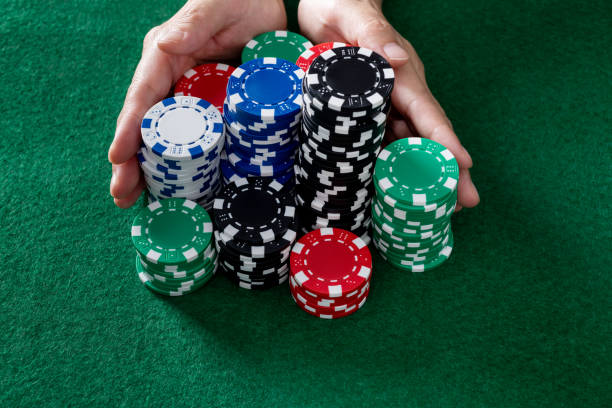
Your Path to Recovery Starts Here
If you or someone you know is struggling with gambling addiction, it’s essential to take action. Understanding the signs and recognizing the need for help are significant first steps in the recovery journey. By reaching out for support, you can begin to reclaim control over your life and finances.
Resources like PayID Pokies Australia not only provide a platform for enjoying gaming responsibly but also offer guidance and support to individuals dealing with gambling issues. It’s crucial to prioritize your well-being and seek help as you embark on the path toward recovery.
Leave a Reply